9 Essential Strategies to Dramatically Boost Customer Retention Rate
How do you keep the customers you've worked so hard to acquire?
Many companies focus intensely on bringing in new customers, often viewing it as the easiest path to revenue growth. However, the truth is that retaining your existing customers is significantly more cost-effective, profitable, and faster in the long run. In fact, acquiring a new customer can be anywhere from 5 to 25 times more expensive than retaining a current one.
More importantly, the impact on your bottom line is staggering: simply increasing customer retention by 5% can dramatically boost profits, often by 25% to 95%.
High retention rates are the clearest indicator that your business is doing a great job of delivering consistent, long-term value. If you are ready to shift your focus from constant acquisition to nurturing these priceless relationships, here are 9 proven strategies to boost your customer retention rate:
1. Deliver Exceptional, Frictionless Customer Support
Customer dissatisfaction is often the primary reason clients leave. 68% of customers will go elsewhere if they feel a company doesn't care about their business. Exceptional support is the foundation of turning this around.
Focus on providing rapid and reliable assistance throughout the customer journey (pre, mid, and post-sale). This means offering real-time support, perhaps through live chat or social media monitoring. You can enhance the experience by offering 24/7 service or using AI chatbots for routine inquiries, freeing up your staff to handle critical issues.
Critically, you must address grievances swiftly. An effectively resolved complaint can transform a negative experience into a positive one, sometimes resulting in satisfaction even higher than if the mistake had never occurred, thus creating a loyal repeat customer.
2. Implement Compelling Loyalty Programs and Rewards
Loyalty programs incentivize repeat purchases and promotes a sense of being valued, which is crucial for increasing Customer Lifetime Value (CLTV).
Consider introducing a point-based or tiered system where customers earn discounts or rewards the more they shop. You can enhance this strategy by:
Rewarding Your Top Customers: Use your CRM system to identify and prioritize your most valuable clients, rewarding them with the best benefits and exclusive discounts.
Gamifying Loyalty: Motivate customers by offering points, badges, or exclusive benefits when they reach various levels, making them feel more invested in your brand.
Offering Instant Rewards: Even before a customer subscribes to your loyalty program, offering an instant discount code in their initial order confirmation email can go a long way toward building loyalty.
3. Leverage Data to Deeply Personalize Interactions
These days, customers expect personalized communication, not generic, one-size-fits-all messaging. Customized offers and predictive analytics are considered highly effective for retention.
A strong CRM system Like Pamatex CRM is your key asset here, as it enables you to track behaviour, preferences, purchase history, and feedback in a centralized database. You can use this data to:
Address customers by name and offer personalized recommendations based on past purchases or recently viewed items.
Utilize remarketing strategies, such as personalized emails, SMS campaigns, or retargeting ads, to re-engage customers who haven’t purchased in a while.
For service providers, tools like Netflix effectively personalize content by reminding users to finish shows or offering recommendations based on their watch history.
It's all about making the experience feel tailored to them.
4. Prioritize Transparency and Set Clear Expectations
Sincerity and truthfulness are essential for building customer trust. You must be honest about your offerings and clear about your policies to avoid frustrating customers with unexpected issues.
This applies particularly to logistics and pricing:
Be Clear About Shipping. While speedy delivery is crucial, setting realistic expectations is just as important. If faster options are infeasible, transparent communication about delivery timelines is key to managing expectations.
Be Honest About Costs.Ensure your product descriptions are accurate and there are no hidden costs at checkout.
Own mistakes. If human errors occur, customers expect brands to own up to them and make necessary corrections quickly. If your customers trust you, they are more likely to forgive you when mistakes happen.
5. Proactively Close the Customer Feedback Loop
Feedback is a gift that allows you to find weaknesses and fix them. If you are losing customers, you must figure out why so you can retain those who remain.
Actively solicit feedback: Regularly send post-purchase surveys, invite customers to leave reviews, or conduct exit interviews if a customer cancels a service.
Listen deeply: Go beyond simply collecting data; listen to understand your customers' pain points and offer better, more personalized solutions.
Show customers you have listened by demonstrating Change: It is vital to respond to feedback and show customers how their input led to product improvements or service enhancements. Campaigns such as "you said we listen" are highly effective for building trust. It's a simple but powerful way to prove you're committed to making things right.
6. Create a Seamless and Watertight Onboarding Process
The moment a customer makes their first purchase is perhaps the most crucial phase for long-term retention. The initial interaction sets the tone for the entire customer lifecycle.
A lack of robust onboarding support is cited as a main reason customers churn, with many leaving within the first 90 days. A strong onboarding process should:
Familiarize Customers with Value: Ensure the experience establishes what customers will achieve with your product and helps them realize its value quickly.
Look Out for Pitfalls: Offer well-timed support, follow-up messaging, or self-service options to prevent early frustrations.
Promote Expectations:A well-established onboarding process is crucial for setting client expectations about the service.
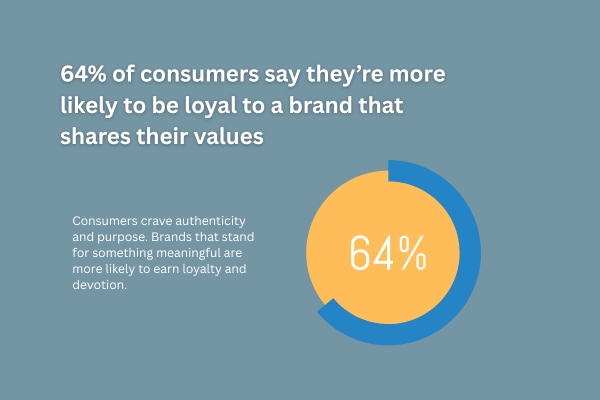
7. Build Community and Connect Through Shared Values
Customers remain loyal to brands that make them feel seen, understood, and connected to a larger mission. You can build this emotional connection by fostering a sense of community and aligning with your customers' values.
Champion a Cause: Customers are often proud to support brands that commit to positively impacting the world. Sharing your activism or efforts, like implementing recycling programs or supporting local communities, can create an emotional attachment.
Create Discussion Spaces: Build an online community (like a Facebook or LinkedIn group) where customers can discuss products, ask questions, and engage with content, facilitating user-generated content and enhancing loyalty.
This sense of purpose and shared values can become a powerful driver of customer loyalty, setting your brand apart in a crowded market.
8. Master Email Communication
Email is a high-converting channel for retention. Used strategically, it can continuously deliver value and reinforce the customer relationship.
Provide Timely Value: Send follow-up emails checking product satisfaction, or send well-timed reminders for perishable goods when they are due to run out.
Surprise Outreach: Periodically express gratitude to your customers. Sending something unexpected, like a small gift or a handwritten thank you note, can provide a personalized touch that plays into the "law of reciprocity" and keeps your store top of mind.
Use Video in Email:For an extra engagement boost, integrating a video thumbnail or animated GIF into emails can lead to personalized thank-you videos or helpful tutorials, standing out in a crowded inbox.
9. Reduce Customer Friction Across Logistics and Payment
Anything that makes buying from you difficult or annoying is a source of friction that can lead to customer abandonment. Focusing on logistics and payment options reduces hassle and encourages repeat purchases.
Offer Hassle-Free Returns: A reasonable and easy return process gives customers confidence. Simplify returns by providing prepaid return labels, a clear policy, and a quick refund process.
Provide Quick Delivery: Speedy delivery is crucial for customer satisfaction, especially since companies like Amazon have set a high standard for rapid fulfilment. Offering multiple delivery speed options (express, standard) helps meet expectations.
Implement Flexible Payment Options: Models like Buy Now Pay Later (BNPL) allow customers to split payments, making higher-ticket items more accessible. This flexibility attracts budget-conscious shoppers and increases the likelihood of repeat business.
Conclusion
Focusing on customer retention is not just good business sense; it's the core of building a resilient and profitable organization. Existing customers are your best asset because they cost less and earn more, as they already understand and appreciate the value of your product or service. By implementing these 9 strategies, you shift your energy from constantly chasing new leads to fostering the long-lasting relationships that turn first-time buyers into loyal brand advocates.